DISCOVER PROJECT
GRAB.IN
The Designer
Leading end-to-end product experiences for multi-sided platforms at scale
2020 - PRESENT
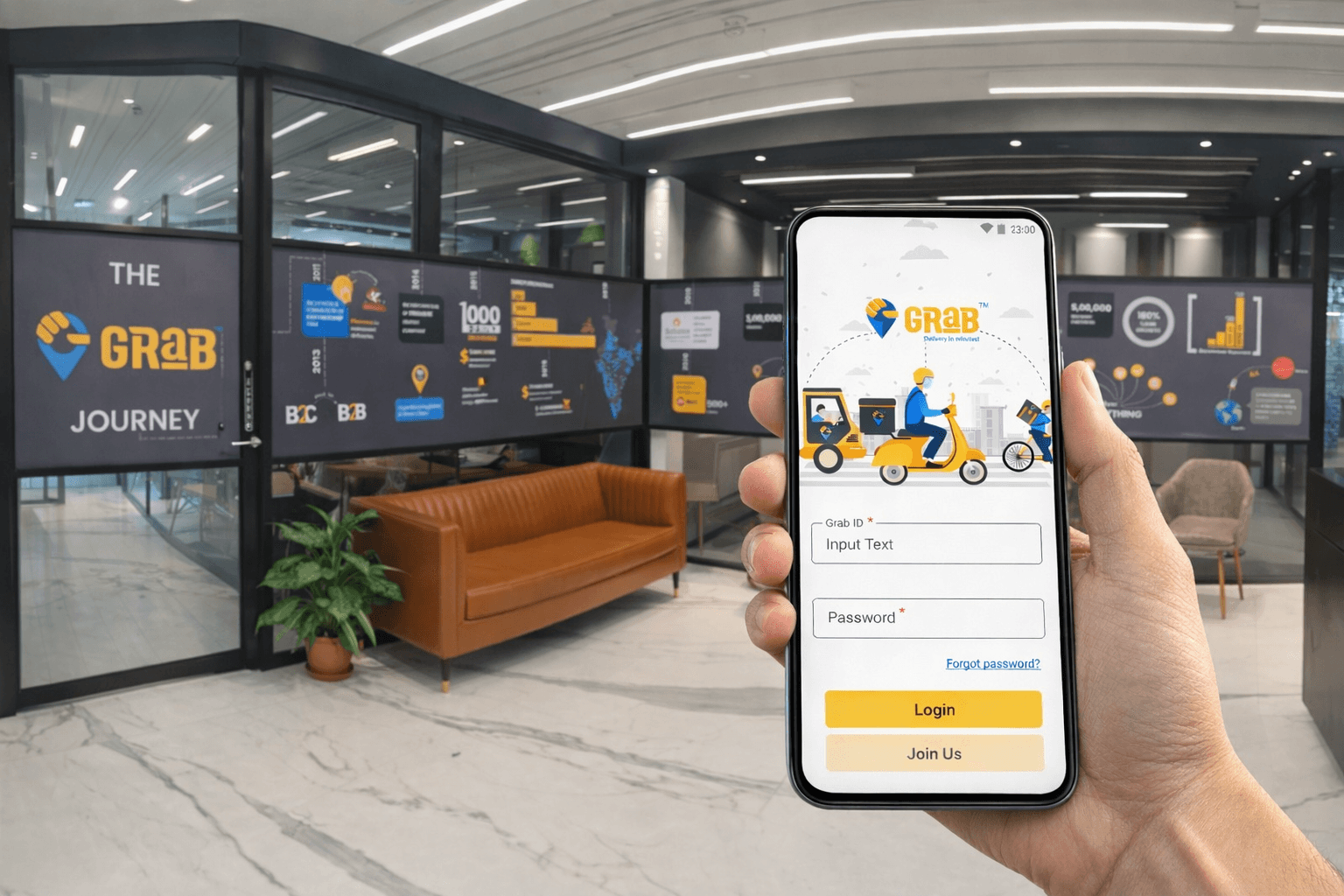
— In 2020, I walked into Grab as a solo designer facing a platform that needed everything rebuilt. No design system. Fragmented experiences. Riders struggling with interfaces that didn't account for gloves, sunlight, or split-second decisions in traffic. Five years later, I'm leading design strategy for a platform processing 7-10 lakh daily orders, having designed every critical touchpoint from rider onboarding to earnings transparency to grievance resolution.
SERVICES
DESIGN SYSTEMS, CROSS-FUNCTIONAL LEADERSHIP, PRODUCT STRATEGY, OPERATIONAL DESIGN, TEAM MANAGEMENT, MULTI-SIDED PLATFORM DESIGN, RIDER EXPERIENCE DESIGN, INTERNAL TOOLS & C-PANEL DESIGN, PROCESS OPTIMIZATION, DESIGN-DEV COLLABORATION
FROM SOLO DESIGNER TO SYSTEMS LEADER
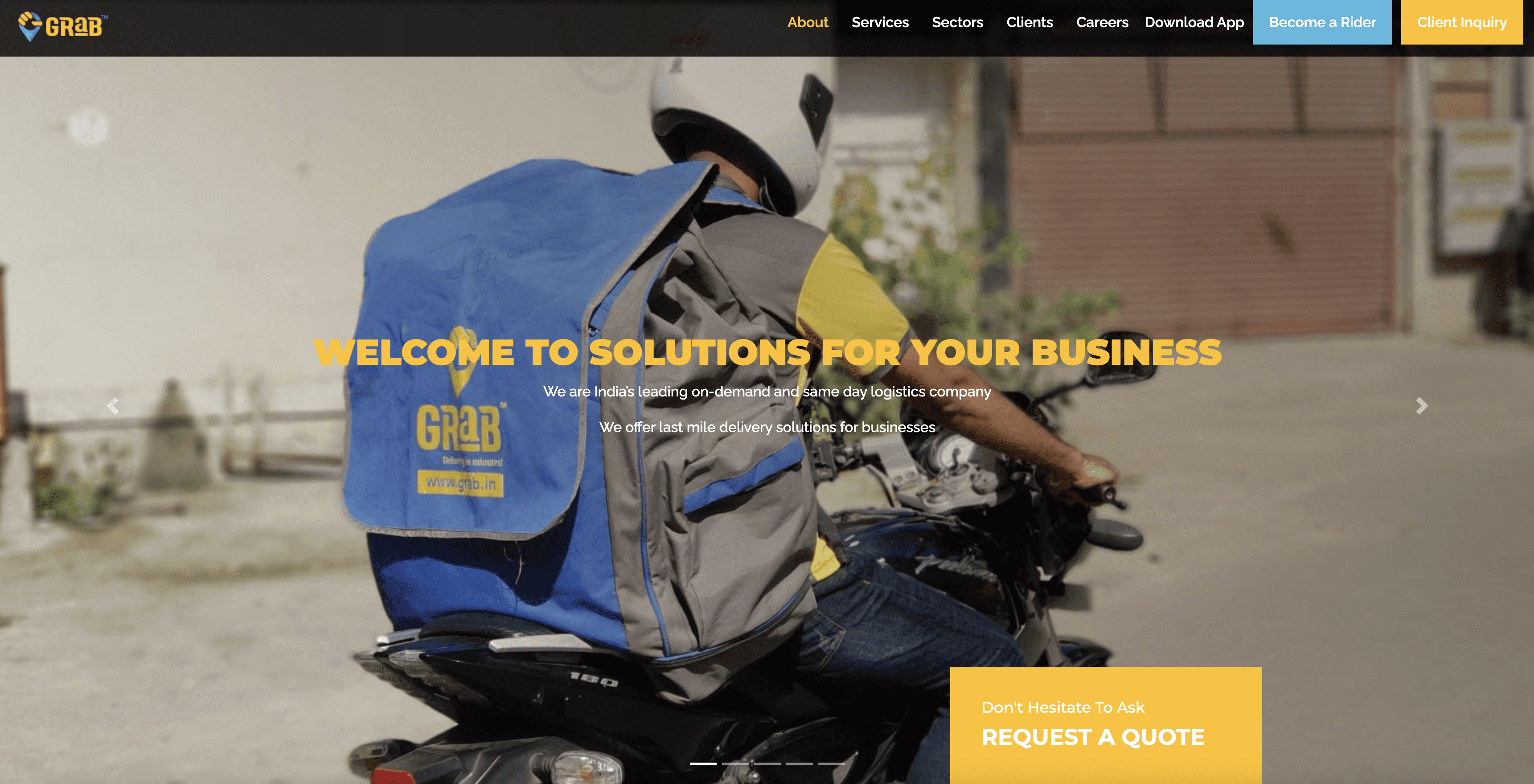
I joined Grab as the solo designer when the platform was finding its footing in India's hypercompetitive delivery landscape.
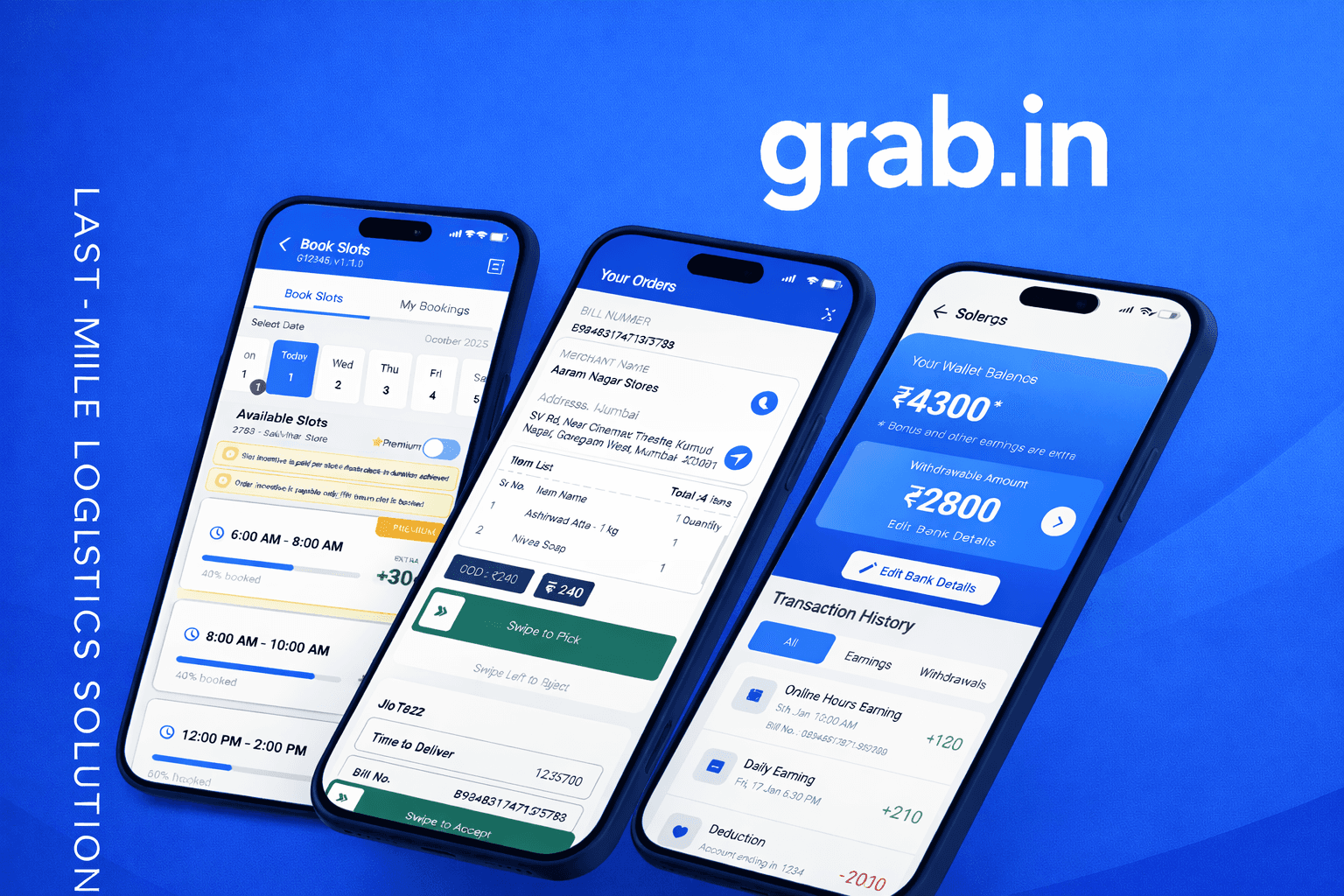
What started as redesigning individual modules quickly evolved into building the entire design foundation from scratch—from rider-facing flows that needed to work in traffic and sunlight, to the complex internal C-Panel tool that powered all backend operations for ops teams managing thousands of riders daily.
I've designed for every side of this multi-sided platform: riders earning their livelihood in motion, merchants managing order volumes during peak hours, ops teams coordinating logistics across cities, and internal teams hiring and onboarding at scale. Each stakeholder had different constraints, different literacy levels, different pressures—but they all needed to work together seamlessly. The challenge wasn't just designing good interfaces; it was designing a system where all the pieces fit together under real-world pressure.
THE DESIGN PROCESS
My design process was built around one principle: understand real constraints before proposing solutions.
Every module began by documenting real constraints—one hand available, 2-3 second glance times, poor connectivity, varying literacy—because these weren't obstacles to work around, they were the design brief itself. Solutions were built through progressive disclosure, dual pathways for failure scenarios, and constant collaboration with developers from concept to deployment. Testing happened in real conditions—outdoors and under time pressure—and features released in phases with metric monitoring at each stage. Design wasn't done at launch; it was done when data proved it worked under pressure. This process evolved over five years, but the principle stayed constant: design for constraints that actually exist, validate in real conditions, measure success by performance when it matters most.

I learned what it means to design for consequences—when your users are earning ₹400 per day in difficult conditions, every interface decision affects someone's livelihood.
FINAL DESIGN
Five years of working across numerous modules and features culminated in a platform where every piece worked together. These weren't isolated features—they formed an interconnected system where clarity at one touchpoint reinforced trust at another, creating a cohesive experience from day one through years of daily use.
This wasn't about making things look good. It was about building a foundation that let a business grow while treating people with dignity—where riders could trust their earnings, track their issues, understand their progress, and focus on the work that fed their families. That's what design for scale with human consequences actually means.
Achievements
Five years of designing at Grab transformed individual modules into infrastructure that powered India's hypercompetitive delivery landscape.
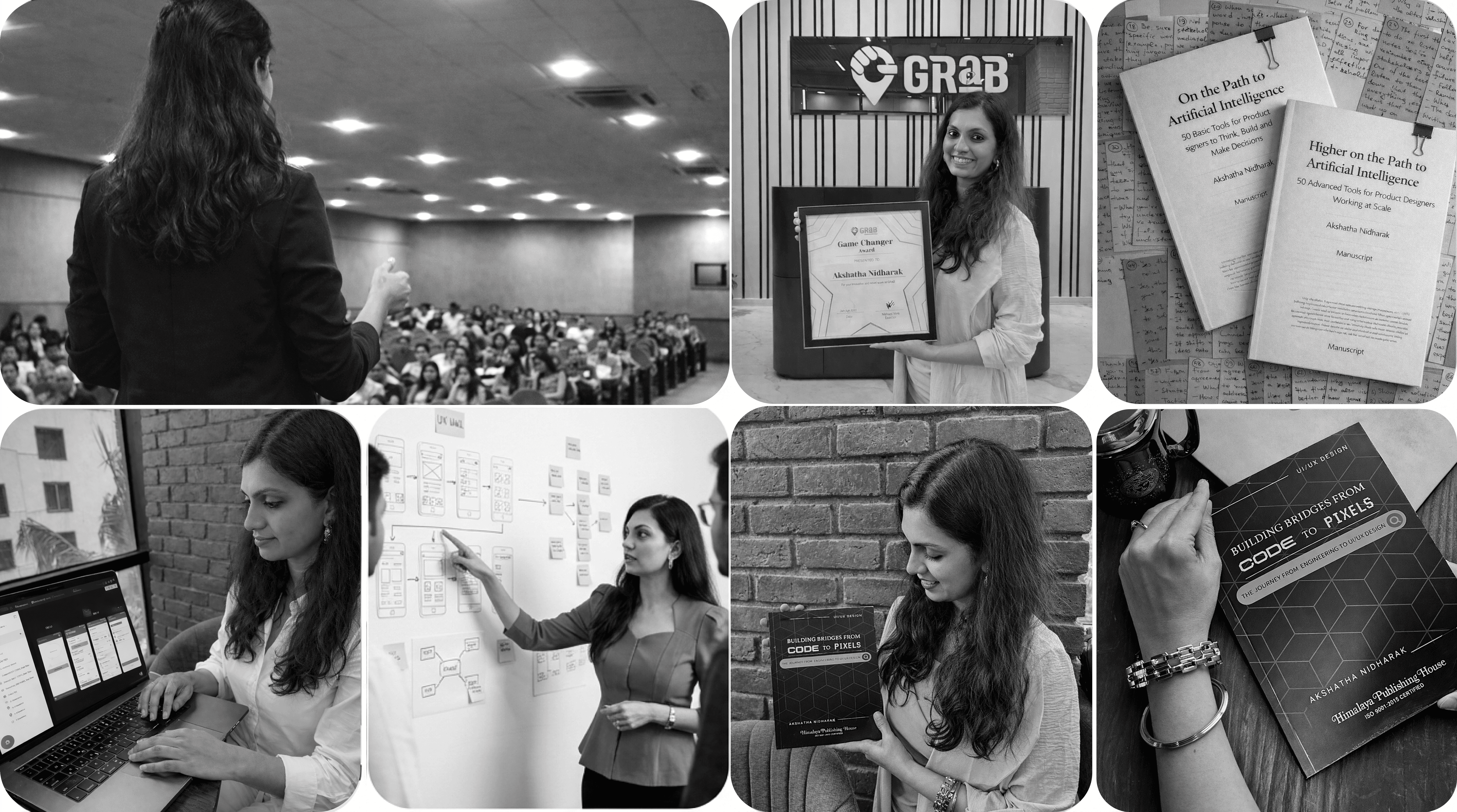
The work fundamentally changed how Grab operated. Delivery SLA improved to 75%, setting new internal benchmarks for efficiency. Hiring conversion reached 38% through redesigned referral and onboarding systems, earning company-level recognition with the "Game Changer 2022" award. The Mercurius design system reduced design-to-dev handoff time by 30-40%, enabling faster releases without quality loss.
Platform reliability increased as post-release UX issues dropped by 25% through systematic edge case management and cross-functional collaboration. Support burden decreased significantly—payment-related queries fell ~40% through earnings transparency, onboarding questions reduced via clear status tracking, and grievance duplicates dropped through conversation threading. Operational capacity expanded dramatically. The C-Panel enabled ops teams to manage thousands of daily onboarding requests, coordinate vendor uploads at scale, and handle demand planning across multiple cities. AI integration into design workflows cut early-stage effort by 20-30%, allowing faster iteration and validation. Most significantly, the platform became infrastructure that thousands of riders trusted for their livelihood—processing 7-10 lakh daily orders at peak, supporting diverse rider types (organic, vendor, referral, SaaS), and maintaining dignity through transparent systems where workers could understand their earnings, track their issues, and plan their financial futures. This wasn't just about shipping features. It was about building the foundation that let a business scale from startup to established platform while treating blue-collar workers with the respect and clarity they deserved. That's the achievement that mattered most.
RIDER HIRING RATE
SLA IMPROVEMENT